
Stem Cells At A Glance
- Best Results1-3+ sessions
- Treatment Recovery1-9 days
- Procedure Time30 to 60 min
- Skin SpecialistDermatologist
- Duration of ResultsYears (variable)
- AnaestheticSedation, local
- Back to WorkNext day to 3 days
- Cost$$-$$$$
Stem Cell Therapy
Stem cell therapy is a relatively new form of skin rejuvenation that has undergone many revisions over the years. Stem cells are sourced from adipose tissue, hence the name ASC or adipose stem cells. Harvesting, processing & transplantation techniques are unique to the science of stem cell therapy. This field of medicine is still at its infancy, I do believe there will be an exponential growth in the upcoming decade.
Important Update: We no longer perform stem cell therapy or stem cell transfer procedures.
Where appropriate, autologous fat transfer (fat grafting) may be considered for selected patients requiring structural volume restoration. During fat grafting, a patient’s own fat is harvested, processed, and re-injected to restore volume.
FactsFacts on Stem Cell Therapy
- Stems are derived from adipose tissue, a term called Adipose Stem Cells
- Careful processing of fat yields stem cells along with adipose tissue
- Stems are a natural way of rejuvenating skin & providing volume
- Recent advances in the past few years have given rise to stem cell therapy
- Acne scars can be treated with this method
- Stems & volume from autologous fat last longer than hydrating treatments
- The biggest drawback is the variable resorption rates of grafting
- Skin quality can be improved, however better results are obtained from lasers & medium to deep chemical peels
What is the science behind stem cell therapy?
Stem cells are engineered to differentiate into different types of cells, including fibroblasts (collagen), keratinocytes (skin) as well as adipose tissue (fat). Adipose stem cells or ASC are usually harvested from areas such as the abdomen, flanks & legs. These are processed to yield different fat stem cell sources including macro fat, micro fat & nano fat. Once purified, these stems are reintroduced into different sites including the face & neck.

What conditions can stem cell transfer treat?
The two major conditions that can be treated with stems are skin rejuvenation & acne scarring. Adipose stem cells have the ability to regenerate into other cells including fibroblasts. These cells produce collagen. Additionally, fat also acts as a volumetric hydration treatment, replacing natural fat that diminishes with time.
Skin rejuvenation: Corrects volume loss (macro & micro fat), improves skin quality, wrinkles, & skin luminosity (nano fat).
Acne scars: Improves volume loss due to atrophic scars (macro & micro fat). Can also address superficial acne scars including boxcar, linear, pick & misc. scars (nano fat).
Surgical scars: including depressed scars, atrophic scars, surgical scars.
Hand rejuvenation: replaces volume (fat transfer), hiding veins & tendons. Adipose stem cells can also improve skin quality.

What are the PROS of stem cell transplantation & transfer?
There are 4 positive points regarding adipose stem cells;
Autologous (Your Own Tissue)
Uses your own fat, reducing risk of allergic reaction.Volume Restoration
Can restore moderate volumes in a single session.Longevity
Once grafted fat establishes blood supply (approximately 4–6 months), the remaining volume can persist for many years. However, results vary between individuals.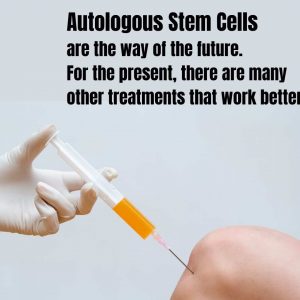
What are the CONS of stem cell transfer?
- Predictability of volume retention. This is by far the most important factor in transplantation. Despite optimal processing, harvesting & placing techniques, fat volume retention is variable.
- Variable Fat Survival
Fat retention is not completely predictable. On average, 50–60% of transferred fat may remain long-term. Some patients may require staged procedures. - Swelling & Downtime
Swelling and bruising can occur at both donor and recipient sites. - Does Not Stop Ageing
Natural ageing and ongoing volume loss will continue over t

View our Treatment Gallery
How long will the result last?
Once the graft takes (4 to 6 months), results will last for many years. The majority of patients will have good volume correction for 7 to 10 years. There are several caveats to the longevity of stem cells therapy-
- Duration of treatment is variable
- This depends on your DNA & genetics
- Fast metabolisers & active patients may absorb fat faster than others
- As one ages, volume loss continues. This procedure does not stop the clock
- Deep volumizing fat holds shape & structure longer
- Superficial nano fat (without adipose tissue) has a shorter lifespan
- Adipose tissue, in general has a longer volume correction compared to hydrating treatments
Who is a good candidate for stem cell transfer?
Stem cell survival is dependent on many factors including the way it is harvested, but also individual factors. Good candidates for stem cell transfer include-
- Patients with a healthy BMI
- Patients with a stable BMI (Stable weight)
- Non-smokers
- Age 20 to 70
- Patients with adequate sun protection
- Healthy, with no diabetic predisposition
How many sessions will you require?
1 to 3, depending on your metabolism, amount of atrophy, as well as individual factors such as exercise, diet & expectations. The biggest drawback of stem cell transfer & fat transfer is the variability of adipose tissue resorption. Fat transplantation itself has a retention rate of 50-60%. Stem cell differentiation is dependent on many factors including harvesting, preparation & re-injection techniques.
The vast majority of my operations are combined with laser resurfacing & or deep chemical peels. Lasers, peels & energy devices work by stimulating your own immune system to produce collagen; this is known as collagen induction therapy or neocollagenesis. The combination of fat stem cells & collagen stimulation modalities gives synergetic effects.
Is this procedure painful?
The majority of stem cell transfers are conducted under light sedation. Most operations take between 40 to 80 minutes to perform.
What other skin rejuvenation procedures are there?
Skin rejuvenation is easy to understand. There are only 2 ways to predictably rejuvenate skin (in terms of improving skin texture, tone & volume).
Firstly, procedures directed at innate collagen stimulation. These are designed to get your immune system to produce collagen & renew skin cells. Methods include lasers, energy devices & chemical peels. Fat transfer & Adipose Stem Cells fall into this category.
Secondly, hydrating treatments. This solution is aimed at replacing volume loss. If your immune system cannot regenerate or replenish deficits, you may require a helping hand. hydrating treatment gives a good one to one (or more) correction that is predictable. Fat transfer & grafting have variable rates of resorption however they are more cost effective (esp. If large volumes required). Fat also lasts longer (once past the initial phase) & has no issues of allergies or reactions.
What are apple stem cells or plant stem cells?
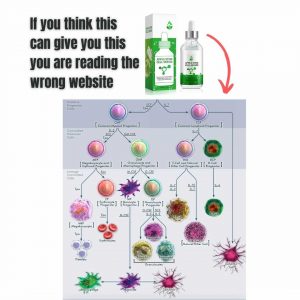
Apples are great sources of nutrients. Nothing better than a freshly baked apple pie. The marketing geniuses of several companies have marketed special apple products (fruit not Apple iPhones), as rejuvenation supplements rich in stem cells. If you are inclined to believe that fruit cells can differentiate into adipose or collagen then you can try this out. The bottom line is that fruit stem cells are safe, they are cost effective & are digested in your stomach & small intestine. If you find this therapy effective, by all means, give it a go. Besides, you can try to grow apple trees if you have any stems left over.

If you are inclined towards natural therapies, a homeopathic – naturopathic practitioner can assist you. I do not practice natural remedies.
What other therapies are available to treat atrophic scars?
If you have a deficit in volume secondary to acne, you only have 3 choices to ‘fill the hole’. (Obviously the aim of treatment is to get your own immune system to stimulate collagen. RFM, lasers, peels & microneedling are sensible options)
- Hydration treatments: These work by acting as a spacer. They can stimulate collagen. They last 2-5 years. The amount of collagen stimulation is not predictable.
- Dermal grafting: These grafts also act as a spacer. They last for many years, they also cause iatrogenic scars as I have to cut & suture each graft.
- Fat & stems. My harvesting & processing techniques together with my placing techniques are standardised as per literature. This treatment has a variable rate of resorption.
If you are inclined to try a ‘natural & long lasting’ solution for your acne scars, & can clearly understand the variable rates of absorption, consider fat transfer & stem cell therapy. I do believe that this realm of dermatology is still very new, & there will be more advances in the next two decades.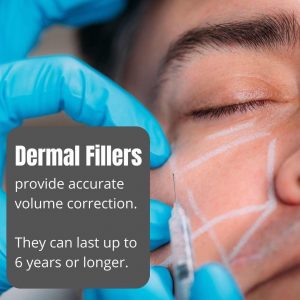
What are the side effects of stem cell therapy?
Actual side effects are rare. These include prolonged bruising, bleeding, as well as lumps & oil cysts. Overcorrection (uneven fat distribution & absorption) is due to variable survival rates in the recipient site.
Under correction is NOT a side effect as this treatment has a variable rate of uptake, as a guide 50-65% of the volume injected stays viable.
What are the costs associated with stem cell transfer?
Treatment cost will vary depending on the procedure. Skin rejuvenation is not covered under Medicare, however subcision & laser resurfacing may be partially covered by Medicare for the treatment of severe acne scars.

What is the difference between stem cell therapy - bone marrow transplantation compared to cosmetic stem cell therapy?
Lots. Why can’t we just inject marrow stem cells, or develop human to human stem cells for skin rejuvenation? Well here is the answer. For BMT or bone marrow transplants, an oncologist will prescribe chemotherapy to wipe out your bone marrow prior to the transplant. This chemo period is normally for 2 weeks. This is designed to reduce your immune system’s fight for the graft. A suitable bone marrow- donor’s stems is then injected (based upon HLA typing & compatibility). These stem cells are injected through a special catheter from the front part of the chest (this line is the same line for chemotherapy).
Once stems are injected we wait for 2-3 weeks. During this time you will be on an antiviral, anti-fungal and 2 types of antibiotics, given through a central line. Blood tests are conducted 2-3 times a day, with frequent blood cultures when you spike a temperature. Most patients stay in an oncology ward for 3 weeks until they are discharged.
If you survive this phase of bone marrow transplantation, you have till day 100 until your acute graft vs host becomes chronic. Immunosuppressives will be weaned off at 6-12 months.
You then need to deal with the second phase of stem cell transplants, namely chronic graft vs host. Apart from the usual GI side effects, skin changes include PIH, or darkening of skin (very common), white spots (hypopigmentation), poikilodermatous changes, xerosis or dryness, as well as a dozen more common skin changes.
As you can see, stem cell therapy is so much more involved than buying stem cells from apples grown in Indonesia.
Davin’s Viewpoint on Stem Cell Therapy
Over the past 4 years there has been a huge increase in stem cell research. This field of dermatology is different from adipose tissue transplantation or transfer. Fat transfer, (example butt lifts), uses large molecules of fat, with very little care in preservation of stem cells (adipose stem cells).Careful extraction of fat, processing & meticulous placing increases survival rate of adipose stems.
I do believe that there will be improvements in the next few years to help preserve & even proliferate pluripotent stems. There are many combinations of this therapy including PRP enriched, hydration treatment enriched as well as surfactant added transplants. The ideal candidate for stems are patients in good health with a stable weight who require large volumes of greater than 15 to 20 mls for correction.
For predictable small volume correction, I still prefer hydrating treatments. The latter has an extremely high predictive value, as well as finesse.
Important Update: We no longer perform stem cell therapy or stem cell transfer procedures.
Where appropriate, autologous fat transfer (fat grafting) may be considered for selected patients requiring structural volume restoration. During fat grafting, a patient’s own fat is harvested, processed, and re-injected to restore volume.
